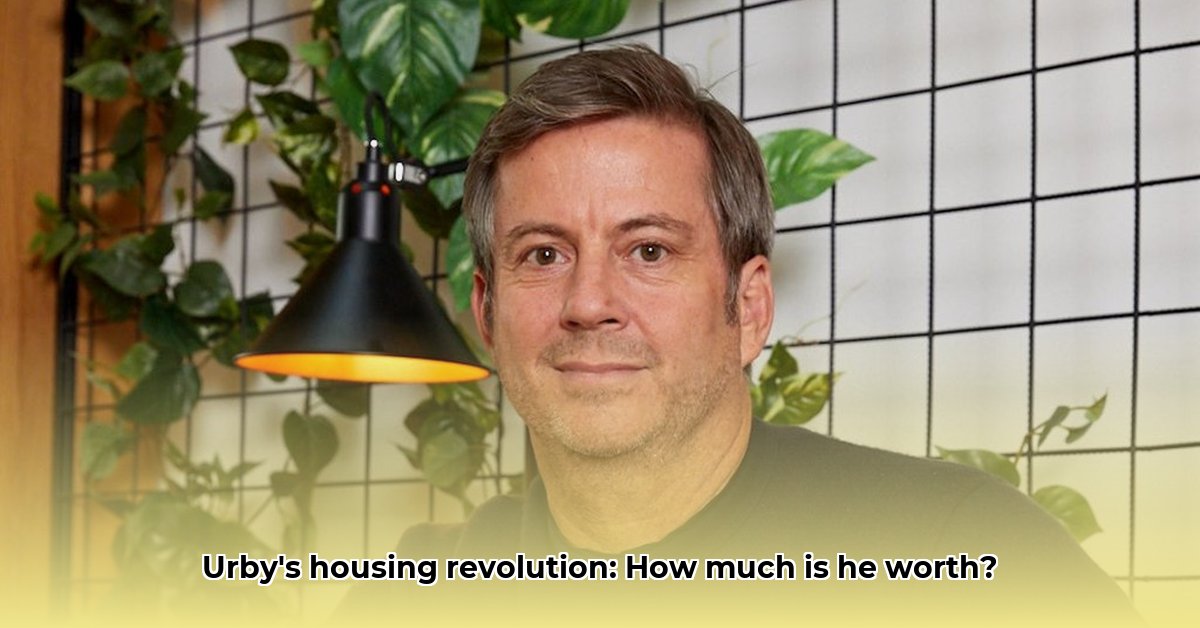
David Barry's Urby isn't your typical apartment complex; it's a meticulously designed urban village. While the specifics of David Barry's net worth remain undisclosed, Urby's innovative approach to urban living offers a compelling narrative of potential financial success and significant social impact. This article explores Urby's unique model, its financial implications, and the ongoing challenges and opportunities shaping its future.
Urby's Revolutionary Approach to Urban Housing
Forget sterile apartment blocks. Urby offers a vibrant, community-focused alternative to traditional city living. Strategic locations near public transit alleviate commuting woes, a significant draw in expensive urban centers. But the real innovation lies in the curated community experience. Rooftop gardens, co-working spaces, and residents' lounges aren't mere amenities; they are intentional design choices fostering connection and combating urban isolation. This "hospitality" aspect is central to Urby's brand, transforming apartments into lively hubs. But how does this translate to financial success?
The Financial Landscape of Urby: A Calculated Gamble
Determining David Barry's net worth definitively is impossible without access to private financial records. However, Urby's financial prospects are promising, based on observable factors. High occupancy rates in desirable locations suggest strong market demand. This innovative model caters to a specific demographic—urban professionals seeking both convenience and community. But is this sustainable? Competition in the rental market remains fierce, and economic fluctuations could impact rental rates and occupancy. Maintaining a premium pricing strategy while keeping apartments full requires astute management and adaptability. Is the premium experience adequately justified by the higher rental costs? It's a gamble that, so far, appears to be paying off.
Key Financial Factors Influencing Urby's Valuation
- High Occupancy Rates: Consistently high occupancy suggests strong market demand and a successful business model.
- Prime Locations: Proximity to public transportation and desirable neighborhoods enhances the property's value and attraction.
- Premium Amenities: The unique amenities and community-focused atmosphere justify premium pricing and attract renters.
- Economic Sensitivity: Rental markets are particularly sensitive to economic downturns. Urby needs to account for this fluctuation to maintain profitability.
- Scalability Challenges: Expanding the Urby model into new markets poses logistical and financial challenges.
Navigating Challenges and Exploring Opportunities
Scaling Urby's unique model presents significant challenges. Replicating its success in diverse urban contexts requires careful adaptation to local preferences and regulations. Maintaining the core community-focused ethos while navigating different cultural landscapes is key. However, opportunities abound. Expansion into new cities and strategic partnerships with local businesses can boost revenue and further elevate the resident experience. Adapting to market changes, adjusting pricing strategies and building strong relationships within the community are vital. For example, partnerships with local transit systems could further enhance the desirability and convenience of Urby locations.
The Urby Story: A Work in Progress
The intriguing mystery surrounding David Barry's net worth underscores the complexity of Urby's success. While precise figures remain inaccessible, the impact of Urby on urban living is undeniable. Its innovative approach directly addresses the challenges of urban loneliness and offers a sustainable model of community-focused living. The long-term financial success of Urby, and therefore the ultimate value of David Barry's investment, will depend on its ability to continually adapt to the evolving landscape of urban real estate. The story of Urby is an ongoing narrative, reflecting the dynamism and challenges of creating truly sustainable and thriving urban communities.